
Cuba Birding Field Guide: Zapata, Endemics, Itineraries
8 Min Read
People search Cuba birding expecting a species list. What they need is a workable week in the field: the right habitats at the right hour, a guide who already knows the stakeouts, and a Cuba birding tour that does not waste a dawn on the wrong road.
Why Cuba birding is worth the trip
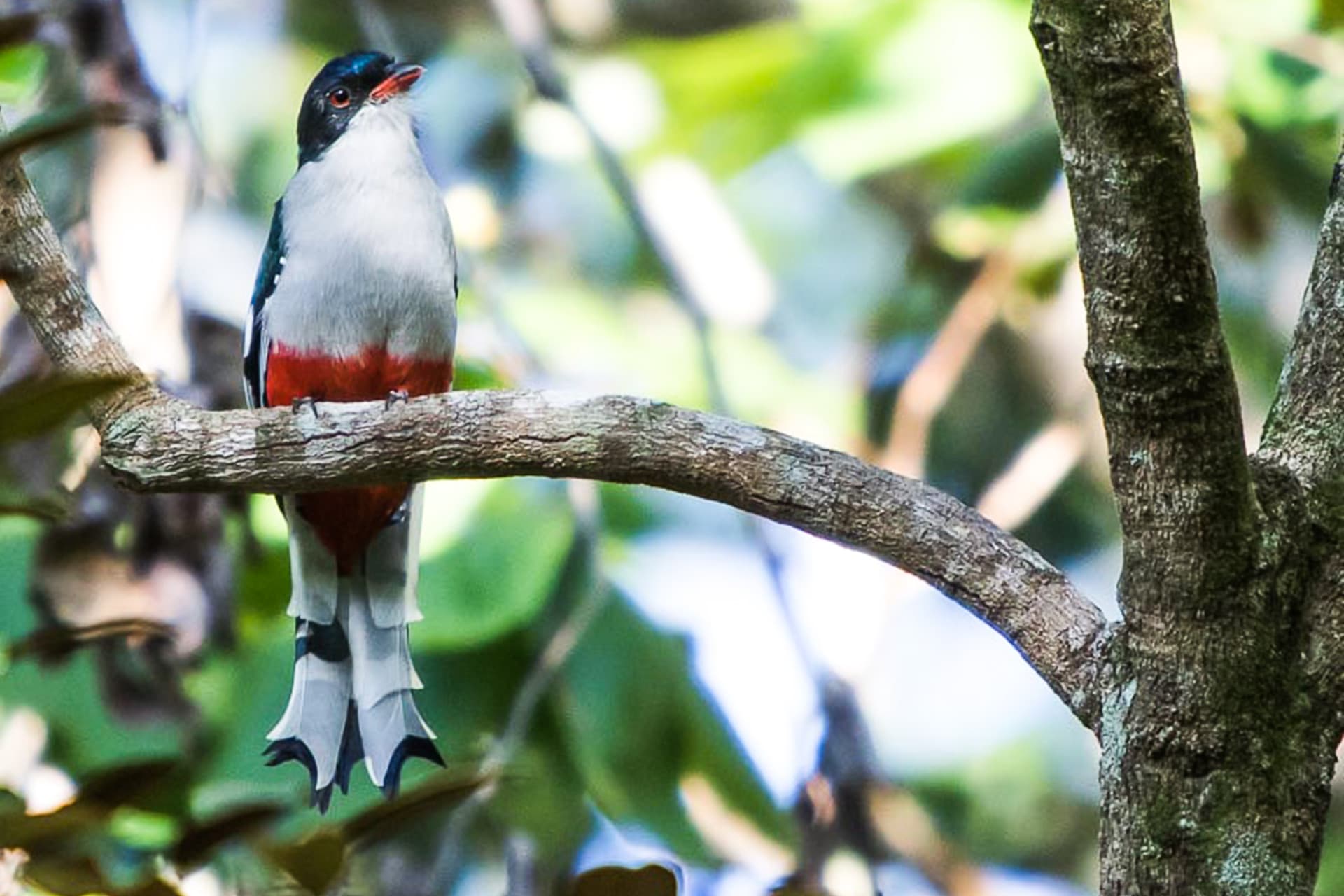
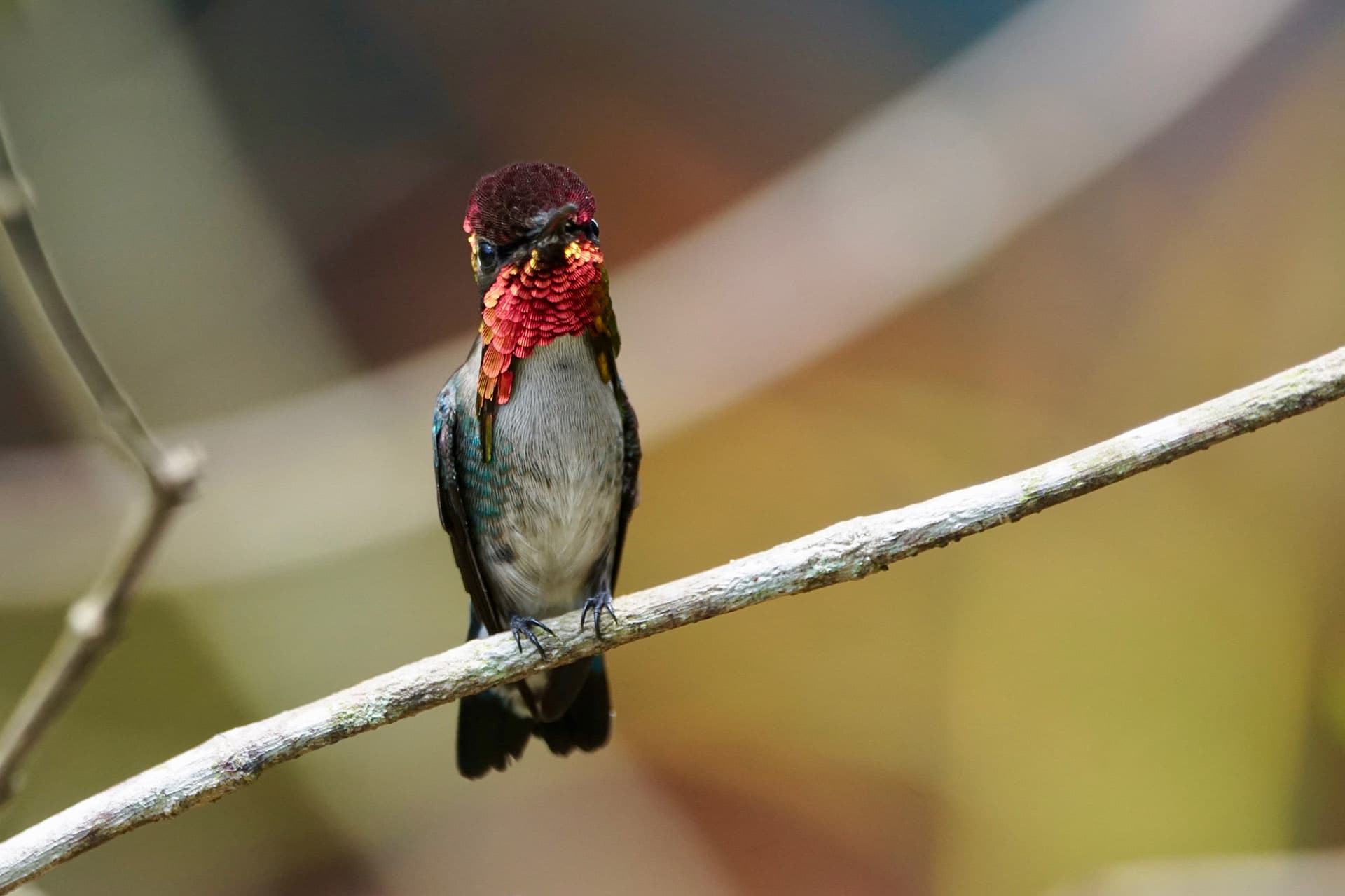
Cuba holds more endemic birds than any other Caribbean island—about 28, depending on the checklist you follow. The Bee Hummingbird, Cuban Tody, Cuban Trogon, Zapata Wren, Zapata Sparrow, and both endemic owls sit on almost every serious list. Cuba birding is not a side activity we bolt onto a city tour. It is early starts, wetland tracks, and days built around where the birds actually are.
We run these trips from Cuba, with specialist birding guides and drivers who work the same routes year after year. That is the difference between hoping for a Cuban tody and knowing which fence line it uses after breakfast.
Zapata: the heart of Cuba birding
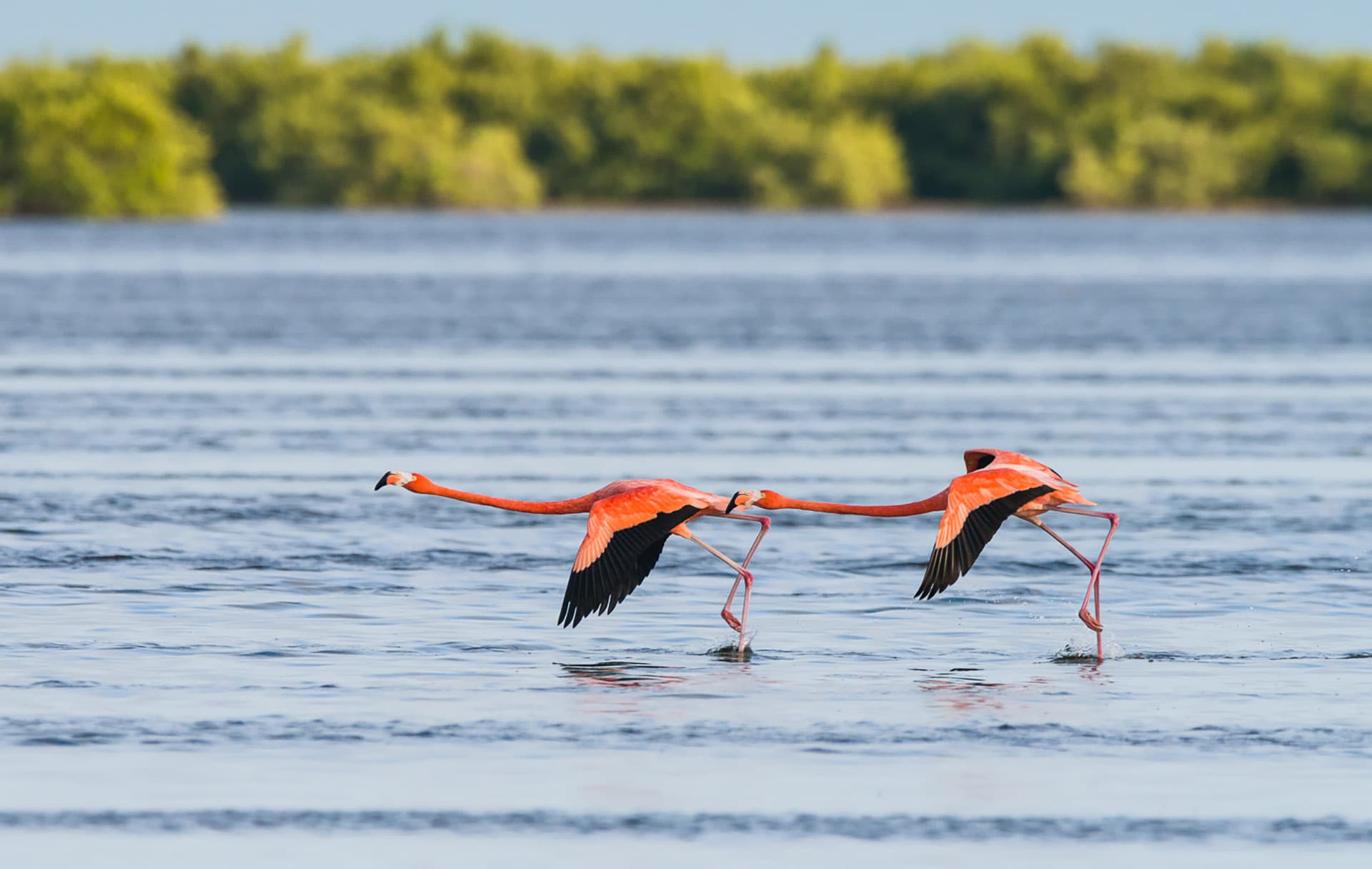
The Ciénaga de Zapata is the core of most Cuba birding tours. It is a UNESCO biosphere reserve and the island’s densest endemic ground: La Turba for Bee Hummingbird and marsh birds, Bermeja for some of the richest endemic concentrations in the Caribbean, La Salina for flamingos and coastal specialists, and Soplillar trails for nightbirds. If you only have one region, Zapata is the one.

Western highlands and the cays
West of Havana, Viñales and La Güira add mogote forest, Cuban Grassquit, and western specialties. Las Terrazas in the Sierra del Rosario is a reliable stop on the way toward Zapata. East of the wetlands, Camagüey savannas, the Najasa reserve, Morón, and Cayo Coco and Cayo Guillermo cover Thick-billed Vireo, Bahama Mockingbird, rails, and flamingo flocks. A full Cuba birding loop usually needs both Zapata and at least one of these blocks—not a single day trip from Havana.
Our Cuba birding tours
We publish three named itineraries under Cuba Birding Tours. Cesar Birding Special is the 12-day small-group endemic loop—Zapata in depth, then Camagüey, Najasa, and the coconut cays. Cuban Wings stretches to 15 days and adds Viñales, a Trinidad botanical-garden hawk stakeout, and a Havana cultural day. Birding Days Cuba is the 11-day private route from Pinar del Río into Zapata and on to the cays. Private dates can follow any of those blueprints or a shorter Zapata-focused list.
- Cesar Birding Special — 12 days / 11 nights, fixed-date small group
- Cuban Wings — 15 days / 14 nights, expanded Zapata plus Viñales and Trinidad
- Birding Days Cuba — 11 days / 10 nights, private endemic circuit
US travelers and field kit
US citizens travel with us under Support for the Cuban People. Binoculars and spotting scopes come in as personal gear; we help with declarations when someone brings serious camera bodies. Direct flights to Havana from Miami, Fort Lauderdale, and Houston are the usual start. Dawn is not optional on a Cuba birding tour—mosquito protection, closed shoes for wetland tracks, and a dry bag for the cays matter more than a packing-list essay.
"Zapata is where the endemic list either happens or it doesn’t. We plan the other days around that."— Cuba 360 field team
Plan Your Cuba Trip
Talk with our Cuba-based team about small-group departures, private itineraries, and US-compliant travel—we handle the details.
Contact UsRecommended Journey
Cuba birding tours
Three field-tested itineraries with specialist birding guides: 11, 12, or 15 days targeting Cuban endemics.
See Cuba birding toursExpert's Tip
Build at least two full field days in Zapata before you add Viñales or the cays. Most Cuba birding lists are won or lost in the wetlands, not on a scenic extra night.

Get the Soul of Cuba in Your Inbox
Join our curated list for exclusive travel stories, hidden jazz venues, and expert guides delivered once a month.