Is Travel to Cuba Still Legal? What the September 30 Headlines Miss
8 Min Read
Travel to Cuba is legal. Cuba 360 trips are running as scheduled.
If you opened the news around September 30th and saw claims of a new U.S. ban on Cuba travel—or that “people-to-people” travel had just been shut down—you are not the first client to write us the same morning. We read those stories too.
The short version: those headlines are recycling rules from 2017 and 2019. They are not a new travel ban. We have not canceled or modified a single tour. Business here is 100% usual.
The September 30th News vs. Historical Reality
The scare line you keep seeing is that Washington just banned travel to Cuba, or just banned people-to-people travel. That is not what happened this week.
Individual people-to-people travel was banned in November 2017. Group people-to-people travel was eliminated in June 2019. Those Cuba travel restrictions are about seven years old. They are not a fresh policy drop from September 30th.
What did move recently were minor OFAC administrative updates aimed at private-sector banking mechanisms—not a rewrite of who may fly to Havana and why. Some coverage, including in The Straits Times, folded those banking notes into language that sounds like a brand-new travel crackdown.
That is how a deterrence campaign works: repeat an old restriction until it feels like today’s emergency. If you are booking with us, it is noise. We are operating on the same legal footing we have used for years, with the same partners, on the same calendars.
We get why the headlines land. “People-to-people” is still the phrase many Americans remember from the Obama years. When a story uses it again, it sounds like the door just slammed. The door that closed in 2017 and 2019 is not the door our clients use.
How You Travel Legally Today
Cuba 360 clients do not travel under the defunct people-to-people license. Every itinerary we run is built for the Support for the Cuban People general license, 31 CFR 515.574.
That is the answer to “is travel to Cuba legal” for a U.S. visitor on one of our trips: yes, when the days match that license. Airlines will ask you to select a category. You select Support for the Cuban People. You do not mail OFAC a petition. There is no special Cuba 360 “license” we issue. The general license is the law; we design the schedule so you stay inside it.
In practice, that means a full-time program of contact with private Cuban civil society—not a resort week and not a state tourism package.
- Sleep in privately owned B&Bs (casas particulares).
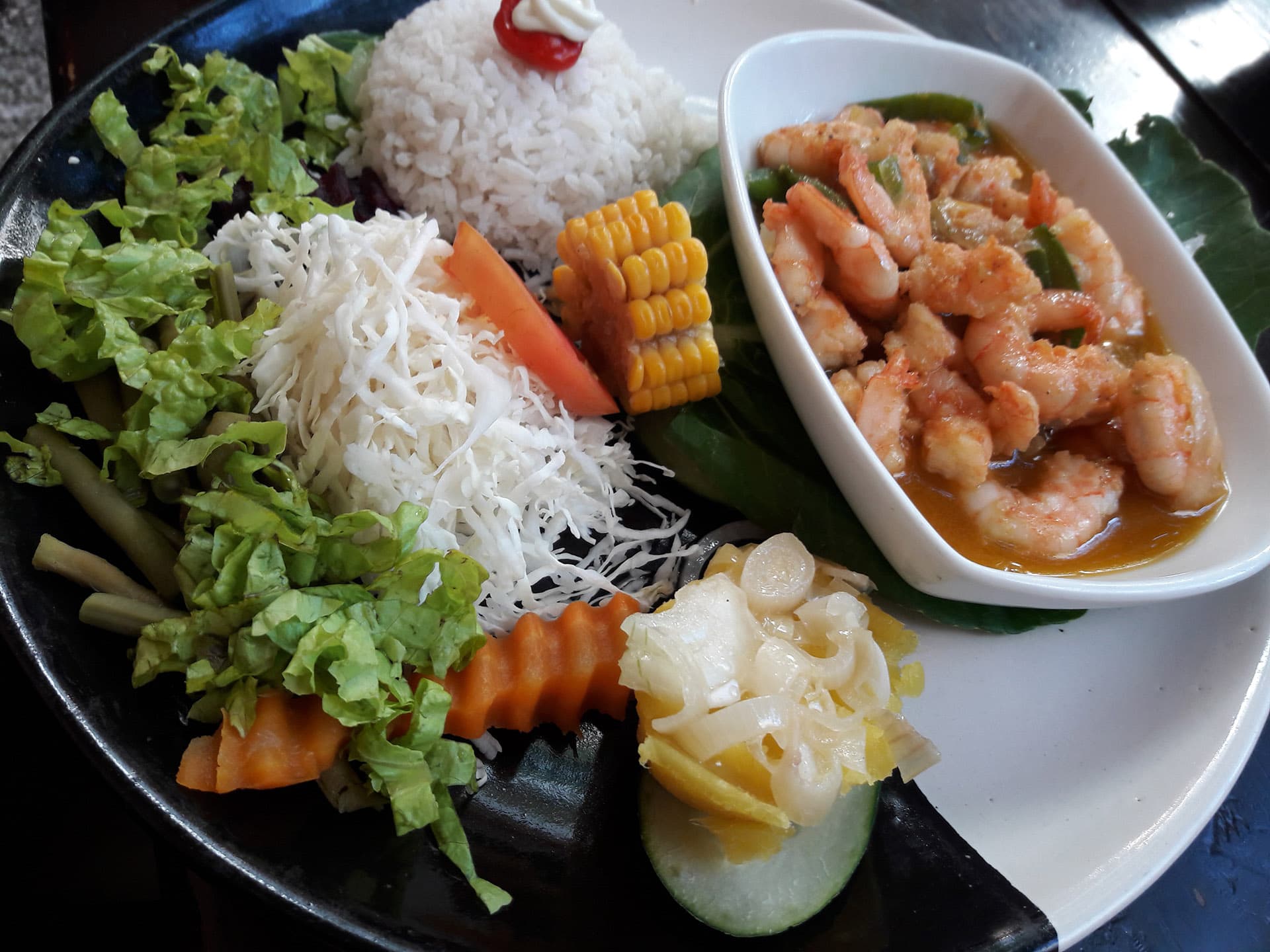
- Eat in independent restaurants (paladares).
- Move with private drivers and local guides we hire as independent professionals.
- Keep a full-time schedule of activities that put time and money with families, artists, and small operators.
- Stay off properties and entities on the U.S. Cuba Restricted List—including state and military-owned names.
That is not a loophole. It is the category. If a hotel, restaurant, or excursion sits on the restricted list, it is not on our trip.
People-to-People vs. Support for the Cuban People
How the old people-to-people category compares with the license Cuba 360 actually uses.
| Old “People-to-People” | Active “Support for the Cuban People” | |
|---|---|---|
| Who it supports | Structured educational exchanges with Cuban people, often through group programs that no longer exist as a valid U.S. travel category. | Independent Cuban families, casas, paladares, private guides, drivers, and artists—civil society, not the state tourism machine. |
| Legal status | Individual travel banned November 2017; group travel eliminated June 2019. Not how Cuba 360 clients travel. | Active general license: 31 CFR 515.574. This is the legal framework for our small-group and private itineraries. |
| Accommodations allowed | The old category is closed. Do not plan a trip as if people-to-people still applies. | Private B&Bs (casas particulares). We do not put you in restricted-list, state, or military-owned lodging. |
If a headline says people-to-people travel to Cuba was “just banned,” it is describing a lock that has been on that door since 2017 and 2019. Our clients never needed that door.
Hard Facts on Blackouts and How We Guarantee Comfort
Cuba’s power grid is under real strain. Blackouts happen. We will not sell you a fantasy of uninterrupted national electricity.
Here is the operational fact that matters for your booking: Cuba 360 has not canceled or modified a single tour because of the grid. Traveling to Cuba during blackouts is still something we run, every week, with private backups—not with hope that the neighborhood stays on.
We partner exclusively with private casas particulares that keep their own power. That means generators, rooftop solar, and battery inverters, so you still have air conditioning, lights, and hot water when the street goes dark. You are not waiting on the national grid to finish dinner or sleep.
Meals are in private paladares with independent supply chains—not hotel buffets tied to state warehouses. Ground movement uses dedicated private fuel channels, so a shortage at an official pump does not wipe the next morning’s transfer.
None of that makes Cuba “easy” in the abstract. It is how we keep the itinerary you paid for: rooms that work, plates that arrive, vans that start. If you are worried about comfort, ask us which house you are in and how that house is backed up.
Why Your Visit Matters Now More Than Ever
Support for the Cuban People is a legal category. It is also a cash-flow path.
When you stay in a casa, the night’s rate goes to the family that owns the rooms. When you eat in a paladar, the check goes to cooks and owners who buy on the private market. When you hire our guides and drivers, you are paying independent professionals—not a ministry window.
That is the point of the license, and it is sharper in a hard year. Tourism dollars that land in private hands are rent, medicine, school costs, and the next tank of fuel for someone who does not have a state hotel contract.
Skipping the trip because of a recycled people-to-people headline does not punish a ministry. It starves the exact people the regulation tells you to support.
We have been doing this work long enough to say it plainly: the useful response to noisy coverage is not to freeze the booking. It is to travel on a schedule that is actually legal, with partners who are actually private.
Cuba 360 tours are on the calendar. The license is the one we have always used. The September 30th stories are not a reason to cancel your dates. Look at upcoming small-group departures, or write our team with your questions. We will tell you how the days are built, where you sleep, and how that house stays lit—then you can decide with facts instead of a recycled headline.
Plan Your Cuba Trip
Talk with our Cuba-based team about small-group departures, private itineraries, and US-compliant travel—we handle the details.
Contact UsRecommended Journey
Upcoming tour dates
Cuba 360 trips are running as scheduled. See small-group departures, or write us with your dates and we will map a legal Support-for-the-Cuban-People itinerary.
View toursExpert's Tip
If a headline says people-to-people travel was just banned, check the date. Individual people-to-people ended in 2017; group people-to-people ended in 2019. Cuba 360 clients travel under Support for the Cuban People (31 CFR 515.574).


Get the Soul of Cuba in Your Inbox
Join our curated list for exclusive travel stories, hidden jazz venues, and expert guides delivered once a month.